

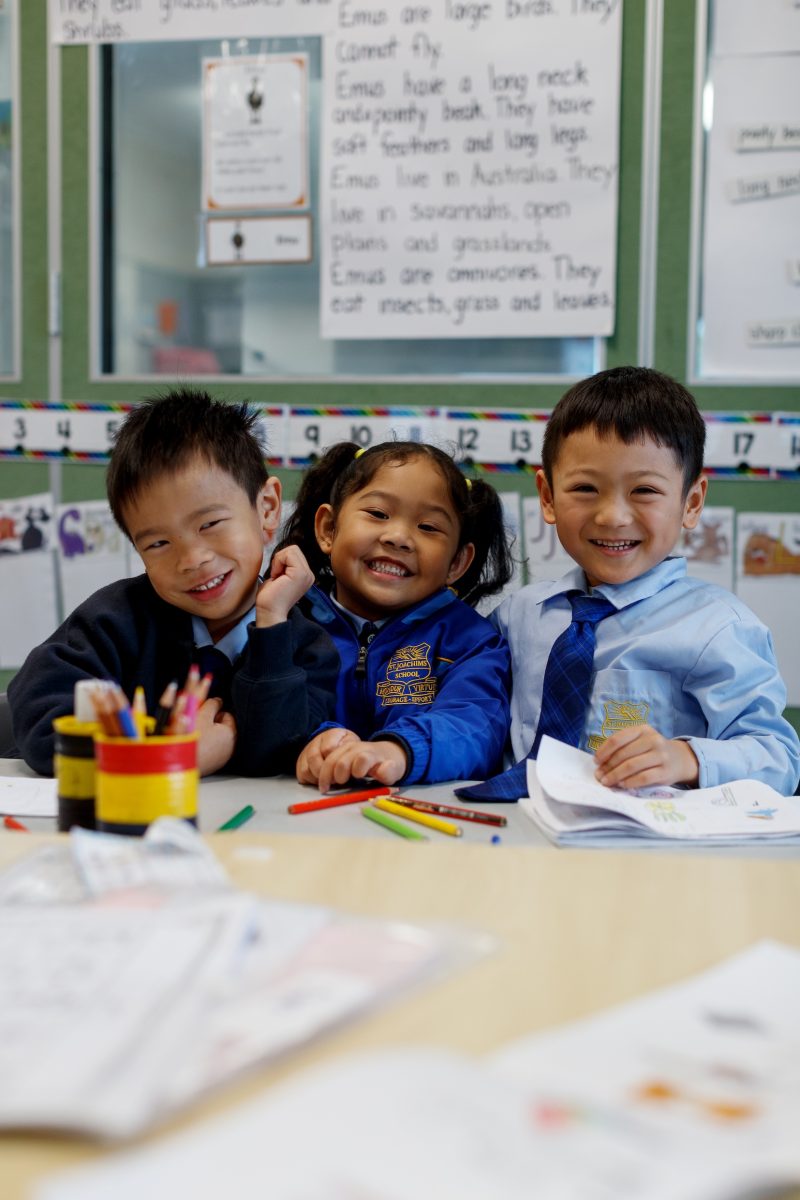
Supporting Refugees & Asylum Seekers
People seeking refuge in Australia arrive with strength, resilience and hope for a safer future.
But building a new life is not easy.
Many face language barriers, social isolation, and limited access to education and employment opportunities.
Without the right support, these challenges can make it difficult to feel a sense of belonging and to move forward with confidence.
Mercy Works supports people from refugee and asylum seeker backgrounds to build the skills, confidence and connections needed to rebuild their lives and participate fully in their communities.
What We Do
We deliver practical, relationship-based programs that support people at different stages of their settlement journey.
Supporting learning and belonging
Through Mercy Works Connect, we provide mentoring and learning support to students and adult learners across schools and community settings in New South Wales, Victoria and Western Australia. This includes MPower, supporting young people as they transition beyond school.
Supporting pathways beyond school
Through mentoring and targeted support, young people are supported to move into further education, training, and employment.
Supporting access to employment
In partnership with the Romero Centre in Brisbane, we support people seeking asylum to build the skills and confidence needed to find work and become independent.
Supporting women’s voices and leadership
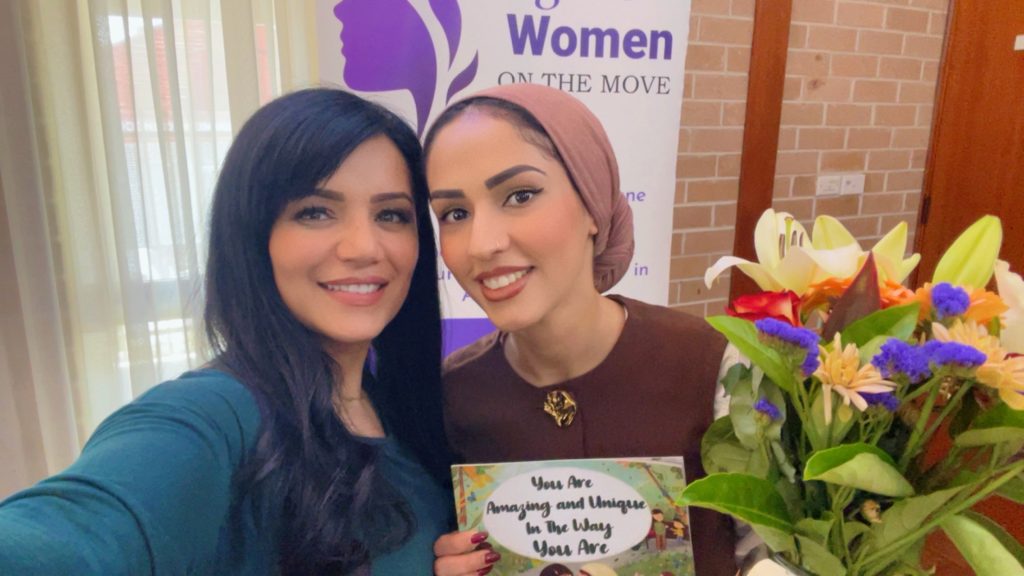
Working with Afghan Women on the Move, we support women to share their stories, build confidence, and strengthen identity, connection, and belonging.
Why This Matters
Rebuilding a life in a new country takes more than time — it takes support, opportunity, and connection.
When people are supported, they are better able to:
- Build confidence and independence
- Strengthen their sense of belonging
- Access education and employment opportunities
- Contribute to the communities they live and work in
Explore Our Programs
Learn more about how this work is supporting people at different stages of their journey:
Mercyworks Connect NSW
Project Summary
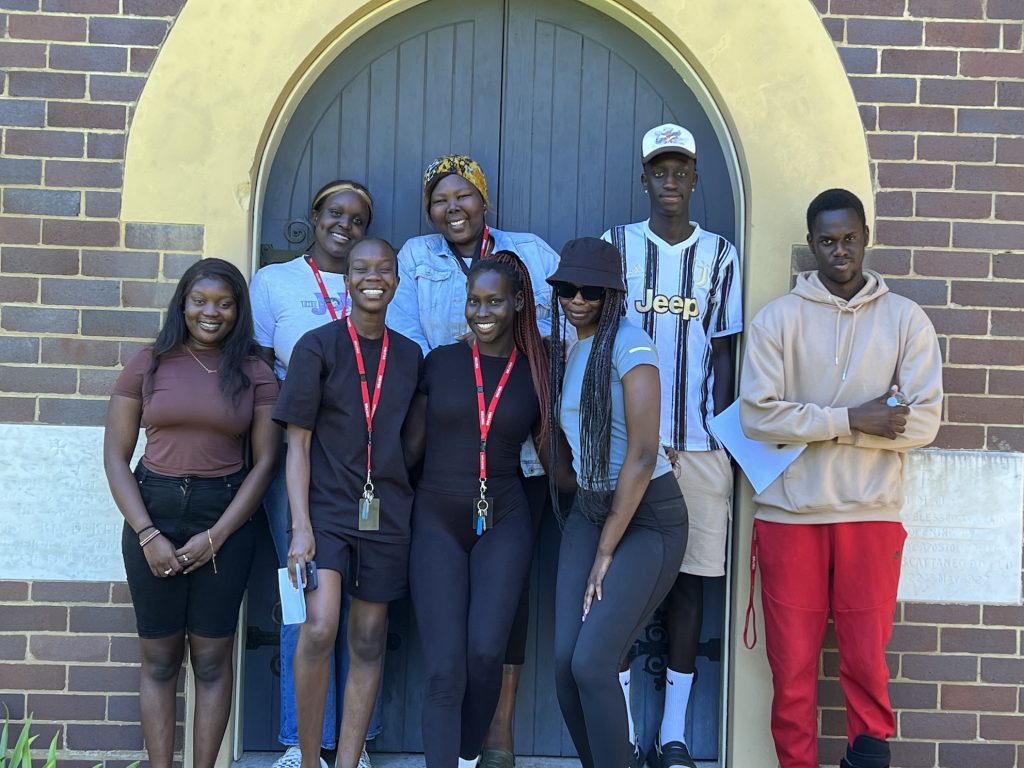
The Mercy Connect NSW project, led by Mercy Works, operates across multiple schools and community settings in New South Wales, Australia. It provides mentoring, literacy, and educational support to students from refugee and asylum seeker backgrounds. The project is delivered by trained volunteers and includes the MPower Program (supporting post-secondary Sudanese students) and the Reading Angels Program (peer reading support in high schools). The program’s goal is to promote inclusion, educational engagement, and confidence among vulnerable young people, helping them transition successfully into the Australian education system and society.
Issue / Problem the Project is Addressing
Many students from refugee and asylum seeker backgrounds face serious challenges including:
- Trauma, grief, and dislocation due to war or conflict.
- Difficulty adjusting to new school systems and cultural environments.
- Language barriers and a lack of academic support.
- Isolation and mental health struggles.
These issues often lead to disengagement from school and poor academic outcomes. Adults also struggle with integration, particularly with English skills and cultural adaptation.
What Mercy Works is Supporting
- Recruiting, training, and coordinating volunteers to work with students in classrooms and community hubs.
- Facilitating mentorship for school leavers (especially Sudanese youth) via the MPower Program.
- Supporting literacy initiatives like the Reading Angels Program in Catholic schools.
- Providing English classes for adult learners in community hubs.
- Organising training in Child Safeguarding, communications, and volunteer support.
- Funding program development and expanding to new schools and communities.
Impact of Ongoing Support
he Mercy Works Connect program:
- Supported over 1340 students in 22 educational settings.
- Engaged 49 volunteers (with 54 registered, including MPower mentors).
- Delivered services across primary and high schools, and to adults in community hubs.
- Strengthened the MPower Program with 17 volunteer mentors supporting 18 post-secondary students.
- Launched or prepared new initiatives like the Reading Angels Program at St Agnes Catholic College.
- Built strong relationships with key education stakeholders and expanded its footprint across the state.
- Increased volunteer engagement and satisfaction, while navigating logistical challenges in training and reporting.
This consistent support is helping young people and adults from vulnerable backgrounds to feel seen, valued, and better equipped for their futures.
Mercyworks Connect WA
Project Summary
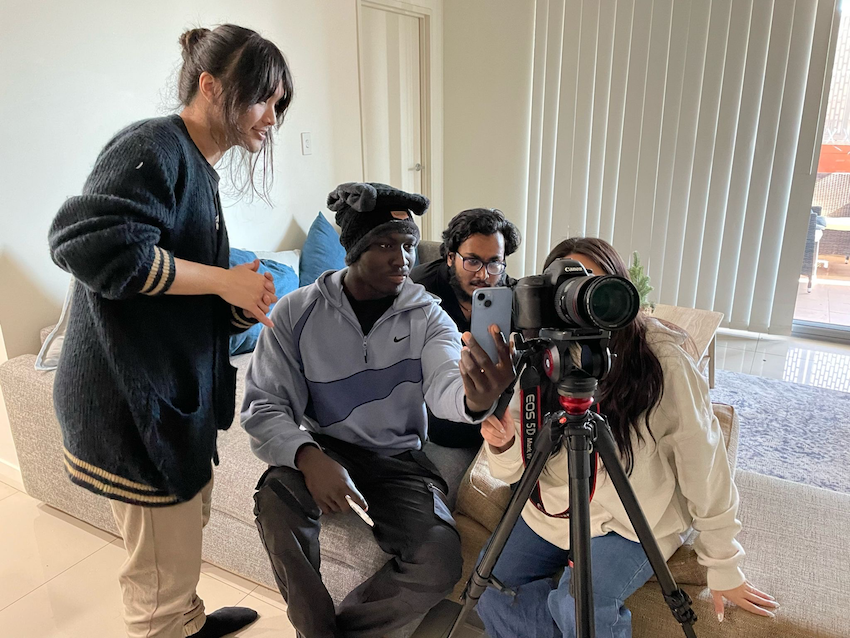
Mercy Connect WA operates under Mercy Works to support refugee and asylum seeker students adjusting to life and education in Australia. Many of these students have experienced prolonged displacement, trauma, and disruption to their learning before arriving. The project focuses on easing their transition by offering in-school mentoring and academic support through trained volunteers, as well as adult English support programs.
Issue / Problem the Project is Addressing
Refugee and asylum seeker students often face language barriers, trauma-related stress, cultural dislocation, and academic gaps upon entering the Australian school system. This can result in feelings of isolation, anxiety, and disengagement. Adults from these communities also struggle with limited English proficiency, which restricts their ability to participate in everyday life and community activities.
What Mercy Works is Supporting
Mercy Works is providing a holistic support system through:
- School-based mentoring for primary and secondary students.
- Volunteer recruitment, training, and placement in schools.
- Adult English as an Additional Language (EAL) class in partnership with local councils and community centres.
- Community collaborations with organizations such as CARAD, ASeTTS, and Edmund Rice Centre.
- Tailored EAL programs for specific groups like mothers and the Palestinian community.
- Emotional and academic mentoring for older students (18–24) and volunteer well-being.
Impact of Ongoing Support
The ongoing support has had significant positive outcomes:
- 104 active volunteers worked with over 1340 students across government and non-government schools.
- Expanded ESL programs are set to launch in 2025, thanks to strong partnerships and community backing.
- Volunteers have reported heartwarming connections and transformational moments with students.
- The City of Belmont, East Maddington CPC, and ASeTTS have actively contributed to planning, implementing, and promoting the project.
- Community members and local leaders have praised the project’s role in promoting inclusion, resilience, and empowerment among refugees.
- Secured funding (e.g. Volunteering WA grant) has enabled recognition events like the Gifts Discovery Workshop for volunteers.
By building meaningful relationships, delivering tailored educational support, and fostering community integration, Mercy Connect WA continues to empower individuals and enrich multicultural communities across Western Australia.
Mercyworks Connect VIC
Project Summary
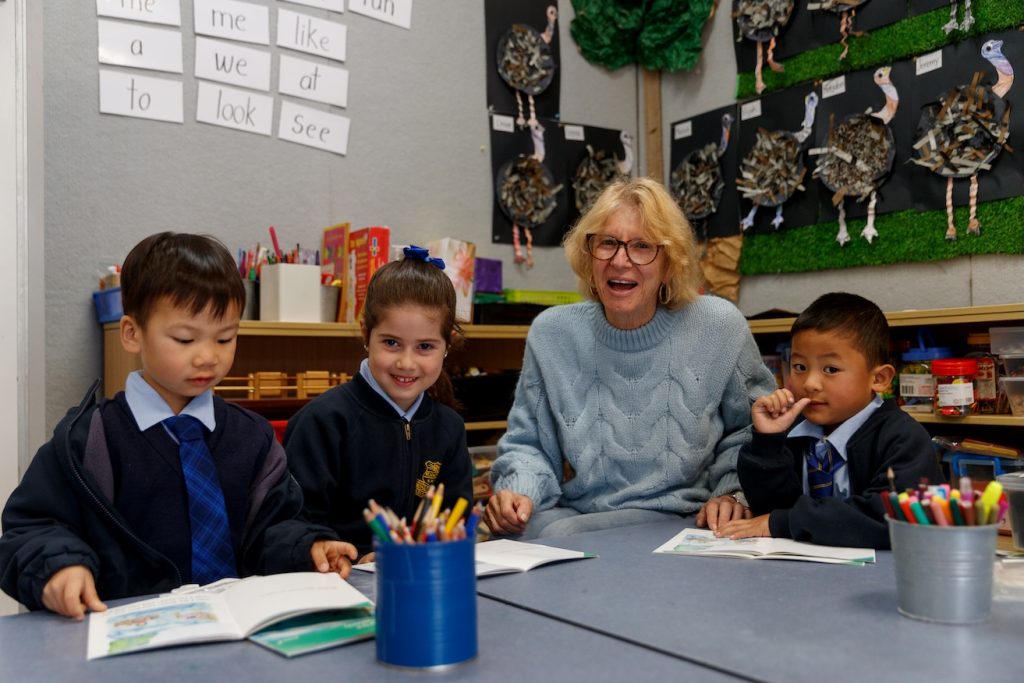
The Mercy Connect program focuses on providing educational mentoring and support for students from refugee or asylum seeker backgrounds in Australia. These students often arrive in Australia after experiencing prolonged periods of displacement, trauma, and grief. Adjusting to a new life in Australia can be challenging, especially for young people placed in schools after extended stays in refugee camps. They face isolation, anxiety, and cultural adjustment difficulties, which the Mercy Connect program seeks to alleviate through tailored support.
Issue / Problem the Project is Addressing
This project is addressing the significant challenges faced by asylum-seeking and refugee students as they transition into Australian schools. These challenges include language barriers, emotional trauma from their past experiences, cultural dislocation, and a lack of sufficient academic support. Without proper assistance, these students may struggle academically, socially, and emotionally, potentially affecting their overall well-being and future opportunities.
What Mercy Works is Supporting
Mercy Works is supporting these students by providing mentoring and academic assistance through a network of trained volunteers. Volunteers assist students in both primary and secondary schools, offering one-on-one support in areas such as literacy, numeracy, and emotional well-being. The program also extends support to adults through English as an Additional Language (EAL) tutoring at local libraries, ensuring both students and their families have the resources they need to succeed in their new environment.
The Mercy Connect program also emphasizes the recruitment, training, and support of volunteers who provide these services, ensuring that there is a consistent and reliable support system for refugee and asylum-seeking students.
Impact of Ongoing Support
The ongoing support provided by Mercy Works has a profound impact on both the students and the volunteers.
- Students benefit from personalized academic and emotional support that allows them to adjust better to their new school environment. The mentorship improves their confidence, academic performance, and integration into their school and broader community. Over 295 students from various educational settings were supported through the program, providing them with crucial academic mentoring during the reporting period.
- Volunteers also experience significant personal fulfillment, with many stating they gain more than they give. Volunteer involvement promotes community connection and empathy for refugee and asylum-seeker experiences.
- Schools report a highly positive response to the program, with increased engagement and feedback from both students and educators. Additionally, the adult literacy component, particularly at the Dandenong Library, is seeing increased participation and support, benefiting adult learners from refugee backgrounds as they work towards improving their language skills.
In the long run, Mercy Works’ support helps break down the barriers faced by refugee and asylum-seeking individuals, empowering them with the knowledge, skills, and confidence to navigate their new life in Australia.
Supporting people seeking asylum to find work and build independent futures
For people seeking asylum in Australia, finding employment is often incredibly difficult.
Many arrive with skills, experience, and a strong desire to contribute. They are ready and wanting to work, but face barriers such as limited English, unfamiliar systems, and a lack of local work experience or recognised qualifications.
Without support, these barriers can make it difficult to secure stable employment, support themselves, and build an independent life.
What We Do
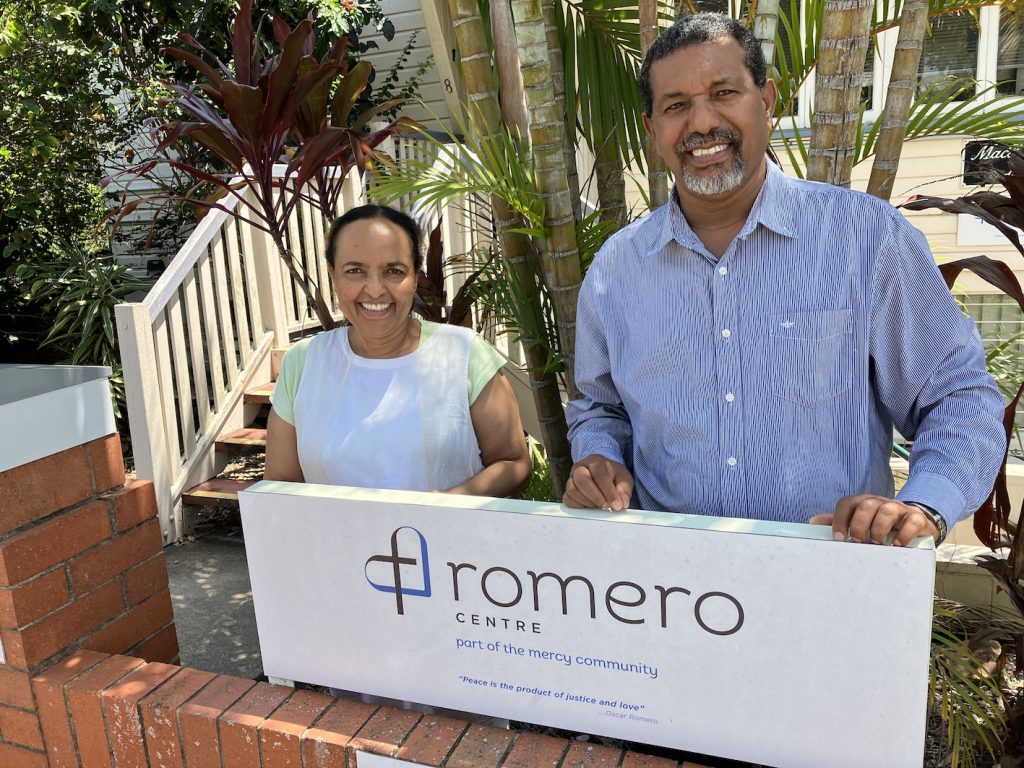
Together with the Romero Centre in Brisbane, Mercy Works supports people seeking asylum to overcome barriers and build pathways into employment.
Building language and communication skills
Participants attend English classes focused on practical communication needed for work and daily life.
Providing practical job readiness support
One-on-one employment clinics help participants prepare resumes, apply for jobs, and build confidence for interviews.
Creating pathways to employment
Participants gain vocational skills, certifications, and workplace experience, and are connected with supportive employers.
Supporting the whole person
The program recognises that employment is linked to housing, health, confidence, and wellbeing, and provides support across these areas.
Peer mentoring and lived experience support
Bicultural tutors provide guidance and encouragement, helping participants navigate employment pathways with confidence.
The Impact
This program is already creating strong outcomes:
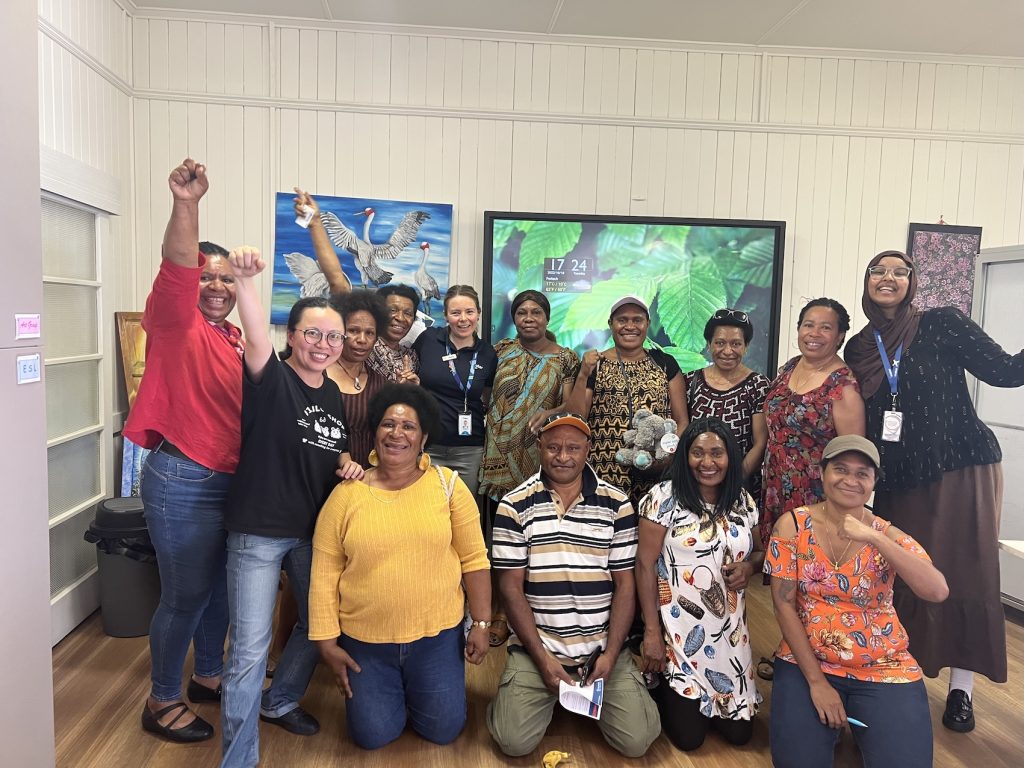
- Around 50 people are expected to secure employment each year
- Dozens of participants are supported through workshops, English classes, and one-on-one employment clinics
- Participants are finding work across industries such as aged care, hospitality, cleaning, and warehousing
Behind these numbers are people rebuilding their lives, gaining independence, stability, and confidence, and contributing to the communities they live and work in.
Finding Stability Through Work
When a family arrived in Brisbane, they faced homelessness and the challenge of starting again.
With support from the Romero Centre, they accessed employment support and practical assistance to stabilise their situation.
Within a short time, the mother secured work as a special education teacher, using her qualifications and experience.
Her employment brought stability not only for herself, but for her whole family.
Why This Matters
Employment provides not only income, but access to stability, connection, and everyday essentials like housing and healthcare.
When people are supported into work, they are able to:
- Support themselves and their families
- Build confidence and independence
- Contribute their skills and experience to the communities they live and work in
- Strengthen the communities around them
This program focuses on people who are ready to work but need support to overcome the barriers that stand in their way.
You can help people seeking asylum build the skills and confidence to find work, become independent, and contribute to the communities they live and work in.
My Mother and I: The Untold Stories of Afghan Women
Supporting Afghan women to share their stories, strengthen identity, and build confidence
For many Afghan women living in Australia, their stories remain unheard.
Experiences of displacement, cultural change, and rebuilding life in a new country are often shaped by language barriers, social isolation, and limited opportunities to share their voices.
Without platforms to express their experiences, a wealth of resilience, cultural knowledge, and intergenerational wisdom risks being lost.
At the same time, the ongoing human rights situation in Afghanistan continues to impact women and families, adding to the emotional and psychological challenges many carry.
“Our stories are our strength. Now, the world will hear them.”
Program participant
What We Do
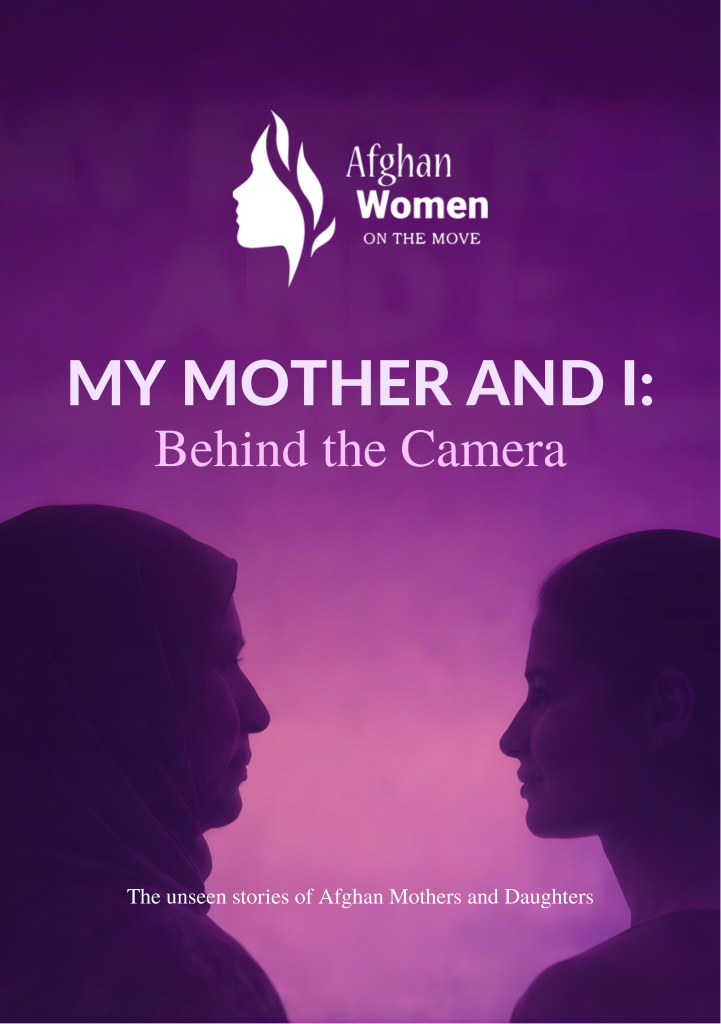
Together with Afghan Women on the Move, Mercy Works supports Afghan women through a community-led storytelling and empowerment program.
Creating safe spaces for storytelling
Writing workshops provide supportive, culturally safe environments where women can share their experiences and explore their identities through storytelling.
Building confidence and skills
Participants develop confidence, communication skills, and creative expression through guided workshops and one-on-one support.
Sharing stories with the wider community
Stories are published and shared through community events, exhibitions, and digital platforms, and brought to life through a short documentary.
Supporting healing and connection
The process of storytelling creates opportunities for reflection, healing, and connection across generations.
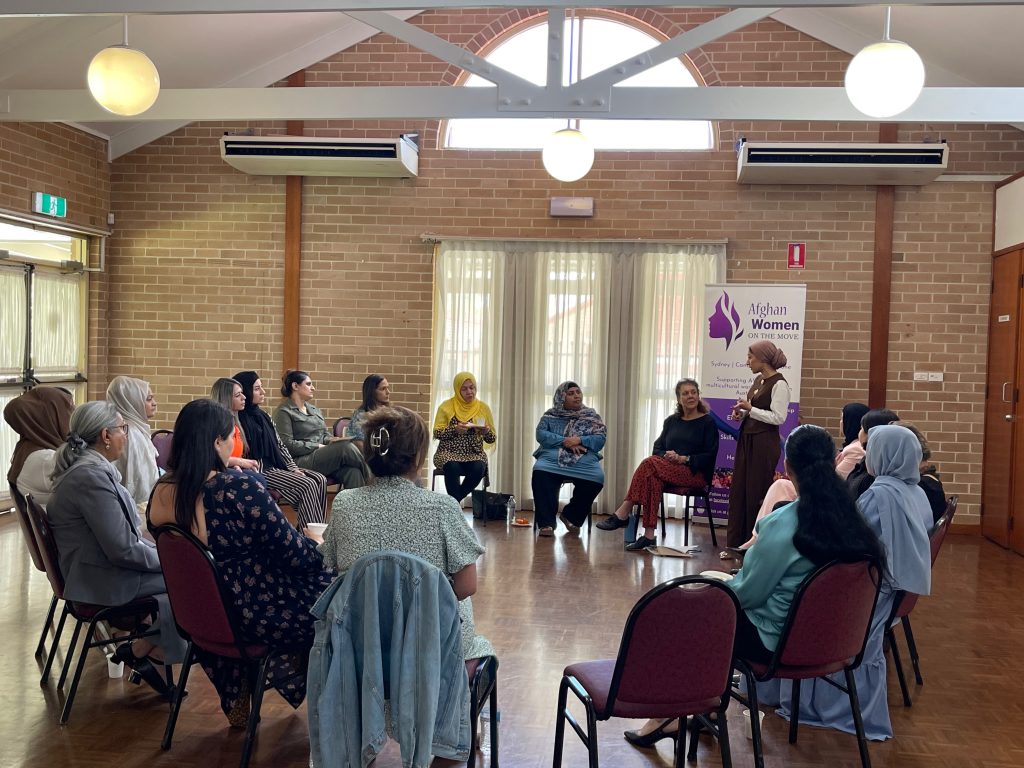
The Impact
This program is already creating meaningful change:
- Around 20 Afghan women are supported to share and document their stories
- Increased confidence, pride, and leadership among participants
- Stronger community connection and sense of belonging
- Greater visibility of Afghan women’s voices through publications, events, and a documentary
Participants describe the experience as empowering and healing, with many gaining confidence to speak publicly and share their perspectives.
Why This Matters
Stories have the power to shape understanding.
When Afghan women are supported to share their experiences:
- Their voices are heard and valued
- Cultural identity and knowledge are preserved
- Communities gain deeper understanding and connection
- Pathways for advocacy and change are strengthened
This work helps ensure that Afghan women are not defined by silence, but by their strength, resilience, and voice.
You can help Afghan women share their stories, build confidence, and be heard.
You can help people rebuilding their lives in Australia feel supported, connected and empowered.
In August, we will launch a new project to support people from refugee and asylum-seeker backgrounds in Australia.